
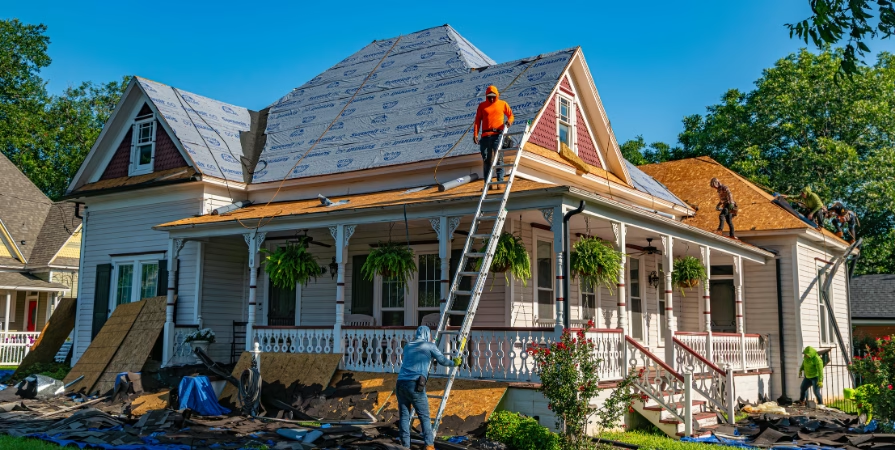
When something breaks in your rental — a leaky faucet, a faulty heater, or a pest problem — you expect your landlord to take care of it. After all, maintaining a safe and livable home isn’t just good practice; it’s the law. But what happens when your maintenance requests go unanswered? Knowing your tenant rights and how to handle unresponsive landlords can help you get the repairs you need without violating your lease or losing legal protections.
This guide explains what steps to take if your landlord ignores repair issues, how to document the problem properly, and what options are available under state repair laws.
Understanding Your Landlord’s Repair Obligations
Most state and local repair laws require landlords to keep rental properties in a condition that meets basic health and safety standards. This obligation is known as the “implied warranty of habitability.” It means that landlords must fix essential problems that make a unit unsafe or unlivable — even if the lease doesn’t specifically mention them.
Common Repairs Landlords Are Responsible For:
- Plumbing issues or leaks
- Broken heating or air conditioning systems
- Faulty electrical wiring
- Roof leaks or structural damage
- Pest infestations (such as rodents or insects)
- Unsafe stairs, doors, or locks
Cosmetic problems, such as paint scratches or minor wear and tear, generally don’t qualify as urgent under repair laws, but anything that affects safety or sanitation does.
Step 1: Submit a Written Maintenance Request
The first step is always to make a formal, written request for the repair. Even if you’ve already mentioned the issue verbally, you need written documentation to create a clear record. Include details about the problem, when it started, and any photos that illustrate the damage.
What to Include in Your Maintenance Request:
- Your name, address, and unit number
- The specific problem (e.g., “no hot water for three days”)
- The date of your request
- Photos or videos of the issue
- A polite but firm request for a timeline on repairs
Send the notice via email, certified mail, or your landlord’s preferred communication system. Keep a copy for your records. This written proof will be crucial if you need to escalate the issue later under your tenant rights.
Step 2: Allow a Reasonable Time for Repairs
Once your maintenance requests are submitted, give your landlord a reasonable amount of time to respond and fix the issue. “Reasonable” depends on the problem — typically between 24 hours and two weeks, depending on severity.
General Timelines Under Repair Laws:
- 24 to 48 hours: Emergencies like no heat, no water, or gas leaks
- 3 to 7 days: Serious but non-emergency issues like broken appliances or pest infestations
- Up to 14 days: Minor repairs such as a dripping faucet
If your landlord fails to respond within these timeframes, you can begin exploring your legal options. Always document the delay and any further communication attempts.
Step 3: Check Local and State Repair Laws
Repair laws vary by state, but most jurisdictions have clear rules outlining what tenants can do when landlords neglect maintenance. These laws may allow tenants to take one of several actions — from withholding rent to hiring a contractor and deducting the cost from their next payment.
Common Legal Remedies Include:
- Repair and Deduct: You hire a licensed contractor to fix the issue, then subtract the cost from your rent.
- Rent Withholding: You temporarily stop paying rent until essential repairs are completed.
- Breaking the Lease: If conditions are unlivable, you may be able to move out without penalty.
- Filing a Complaint: You report the issue to a housing authority or code enforcement office.
- Taking Legal Action: You may be able to sue for damages if the landlord’s negligence caused harm or expense.
Before taking any of these steps, consult your state’s housing department or a local tenant advocacy group to ensure you’re following proper procedures. Acting without legal guidance can sometimes jeopardize your tenant rights.
Step 4: Contact Local Housing Authorities or Inspectors
If your landlord refuses to take action, report the issue to your city’s housing department, code enforcement, or health department. These agencies can inspect your unit and issue citations or fines if your landlord violates repair laws. Having an official inspection report strengthens your position if you need to take further legal steps.
In some areas, local tenant unions or nonprofit organizations can also help mediate between you and your landlord. They may even provide legal assistance or referrals at no cost.
Step 5: Document Everything
Documentation is your best defense. Keep detailed records of every interaction, including repair requests, text messages, photos, and receipts. If you end up in court or a housing dispute, this evidence can prove that you followed all necessary steps and acted in good faith.
Keep Records Of:
- Copies of all maintenance requests
- Photos and videos of the issue (before and after repairs)
- Any professional assessments or repair estimates
- Communication logs (emails, texts, or call summaries)
- Rent receipts or payments made during the dispute
Thorough documentation not only supports your case but also demonstrates responsibility as a tenant acting within the law.
Step 6: Avoid Taking Repairs Into Your Own Hands
While it’s tempting to fix the issue yourself, doing so without following the proper legal process can backfire. Unauthorized repairs may void your lease, violate local codes, or result in losing your tenant rights to reimbursement.
Always verify your state’s repair-and-deduct procedure before hiring anyone. If you do proceed, use a licensed contractor and provide your landlord with invoices and written notice before applying any rent deductions.
Step 7: Consider Mediation or Legal Assistance
If all else fails, you may need legal help. Tenant advocacy organizations, legal aid offices, and housing attorneys specialize in repair laws and can help enforce your rights. In many cases, simply having a lawyer send a formal notice is enough to motivate an unresponsive landlord to act.
When to Seek Legal Help:
- Your landlord repeatedly ignores written repair notices
- Conditions threaten your health or safety
- Your landlord retaliates (e.g., threatens eviction or raises rent)
Many areas offer free or low-cost legal clinics for renters dealing with habitability disputes.
Know Your Tenant Rights
Under federal and state tenant rights laws, you’re entitled to a safe, habitable home — and landlords cannot retaliate against you for asserting this right. Retaliation includes raising rent, issuing eviction notices, or refusing lease renewals after a legitimate repair request. If this happens, document everything and seek legal support immediately.
Key Takeaway
When landlords ignore maintenance requests, tenants don’t have to live in unsafe or unhealthy conditions. By documenting issues, understanding your local repair laws, and asserting your tenant rights through proper legal channels, you can protect your home and your well-being. Staying informed and organized is the best way to hold landlords accountable and ensure you get the repairs you deserve.