
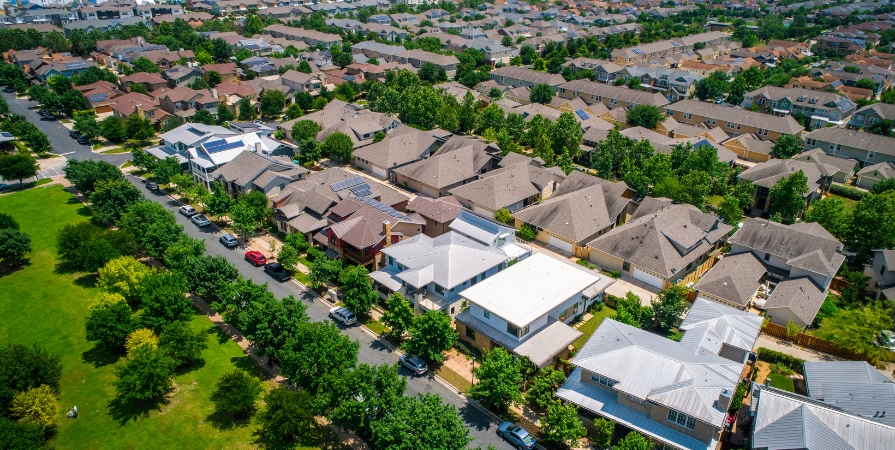
Understanding Workforce Housing in Hillsborough County
Workforce housing is designed for people who earn too much to qualify for traditional affordable housing but still struggle to afford market-rate homes. In Hillsborough County, this includes teachers, healthcare workers, public employees, and service industry professionals who form the backbone of the community. The goal of workforce housing is to help these middle-income earners live closer to where they work, reducing commute times and improving overall quality of life.
Unlike low-income housing programs that rely heavily on income limits, workforce housing focuses on stabilizing moderate-income families through access to safe, reliable, and fairly priced homes. It bridges the gap between affordability and opportunity—ensuring essential workers can stay within reach of local schools, hospitals, and public services. This approach strengthens neighborhoods and keeps communities economically balanced.
In Hillsborough County, workforce housing programs may include rental units, townhomes, and new construction projects built with affordability in mind. Local governments often collaborate with developers to ensure that these homes remain accessible for families earning between 80% and 120% of the Area Median Income (AMI). Eligibility, however, can vary depending on project funding and program guidelines.
Who Qualifies for Workforce Housing
Qualification for workforce housing in Hillsborough County depends primarily on income and household size. Typically, individuals or families earning between $55,000 and $100,000 annually may qualify, depending on the number of household members and current AMI limits. Public service professionals—such as firefighters, nurses, and teachers—often fall within this range and are prioritized for access to these programs.
Applicants must also meet general eligibility conditions such as proof of employment within the county, good rental history, and reliable income documentation. Some programs require that at least one household member works in essential or public-serving roles. Others simply focus on income thresholds and local residency requirements.
Because rules vary by project and funding source, applicants are encouraged to confirm details through official county housing departments or housing development partners. The goal is not only to make homeownership or stable renting possible, but to ensure long-term community sustainability for working families.
How Workforce Housing Differs from Affordable Housing
While both programs aim to make housing more accessible, workforce housing specifically targets middle-income households that fall just outside of low-income thresholds. Affordable housing typically serves individuals earning below 80% of the AMI, while workforce housing covers the gap between 80% and 120% of AMI. This distinction ensures that essential workers are not priced out of their communities.
In practice, this means workforce housing units may look and feel similar to market-rate homes but come with income-based price caps. Renters or buyers pay below-market rates, often made possible through public-private partnerships or development incentives. These homes are designed to promote long-term affordability and reduce the financial strain on working families.
Programs like these are vital for sustaining local economies. When essential workers can afford to live where they work, communities experience greater stability, lower turnover, and stronger engagement between residents and local institutions.
How to Apply for Workforce Housing
Applying for workforce housing in Hillsborough County involves several clear steps. First, identify properties or programs labeled as “workforce” or “middle-income” housing on the county’s official housing website. These listings typically include details about eligibility criteria, available units, and required documentation. Second, gather proof of income such as recent pay stubs, W-2 forms, or employment verification letters.
Next, contact the property management office or program administrator directly. Ask whether there’s a waiting list and how to submit your application. When speaking with representatives, you can use a simple script like: “Hello, I’m calling to ask about current availability in your workforce housing program and whether my household income qualifies.” Keep notes from each conversation for follow-up.
Once your application is submitted, you may need to attend an interview or provide additional documentation. Response times vary, but applicants are typically notified within two to six weeks. If approved, you’ll receive further instructions on lease signing or purchase arrangements.
Common Challenges and How to Overcome Them
One of the biggest challenges applicants face is navigating limited inventory. Workforce housing units are in high demand, and waitlists can stretch for months. To improve your chances, apply to multiple programs simultaneously and stay in regular contact with property offices for updates. Flexibility with move-in dates can also increase your likelihood of securing a home.
Another challenge is understanding changing income limits or project requirements. Because these are tied to area median income updates and funding cycles, they can shift annually. Always verify your eligibility directly with the housing agency before submitting an application to avoid delays.
If your application is denied due to income or credit issues, ask for a written explanation. You may be eligible to reapply after adjusting your financial situation or exploring alternative housing help programs available through Hillsborough County.
Benefits of Workforce Housing for Families and Communities
Workforce housing supports more than individual stability—it strengthens entire communities. By keeping essential workers near their jobs, it reduces traffic congestion, boosts productivity, and fosters stronger local relationships. Children benefit from consistent schooling and safer neighborhoods, while adults enjoy lower commuting costs and improved work-life balance.
These homes also help maintain housing market balance by preventing over-reliance on luxury developments or transient rentals. Stable, middle-income residents bring steady economic activity to local businesses and community organizations, creating a more sustainable urban ecosystem.
Ultimately, workforce housing promotes social equity and ensures that prosperity is shared across income levels. It recognizes that financial security should not come at the cost of distance, debt, or instability for working families.
Tips for Finding Workforce Housing Opportunities
Start by exploring Hillsborough County’s Housing & Community Development Division website for official listings. Many cities within the county, including Tampa and Plant City, have partnerships with developers offering workforce or middle-income units. You can also contact local nonprofit housing counselors who specialize in connecting residents with suitable programs.
Stay alert for newly built communities that advertise mixed-income or inclusionary zoning models—these often include reserved workforce units. Joining local housing newsletters or social media groups can also help you stay updated on openings.
Finally, consider programs that combine housing with financial coaching, homeownership education, or credit improvement assistance. These additional resources can strengthen your application and prepare you for long-term success.
Conclusion: Building Stability Through Opportunity
Workforce housing in Hillsborough County offers a crucial bridge for middle-income families striving for stability and proximity to work. By combining affordability, accessibility, and community value, it helps ensure that essential workers can continue to live and thrive within the areas they serve. Whether you’re a teacher, nurse, or first responder, these programs provide a fair opportunity to build roots where you belong.
If you believe you may qualify, take action today—gather your documents, contact housing offices, and explore all available options. Hillsborough County’s workforce housing programs represent not just a housing solution, but a pathway to balance, security, and a stronger future for working families.